Understanding Smart Home Technology
In today's fast-paced world, the idea of a smart home is no longer just a futuristic concept; it has become a reality for many homeowners globally. Smart home technology involves a range of devices that connect to the internet, allowing users to control various aspects of their home from anywhere in the world. From energy management to security, the possibilities are endless. If you are considering transforming your space, خانه هوشمند جهان اسمارت offers an extensive range of products designed to fit your smart home needs.
What is a Smart Home?
A smart home utilizes devices and appliances that enhance convenience, security, and efficiency. These devices communicate with one another through wireless networks, enabling homeowners to control them remotely via smartphones or voice commands. The integration of various smart technologies allows for seamless operation and management of home systems.
Key Components of خانه هوشمند جهان اسمارت
The essential components of a smart home include:
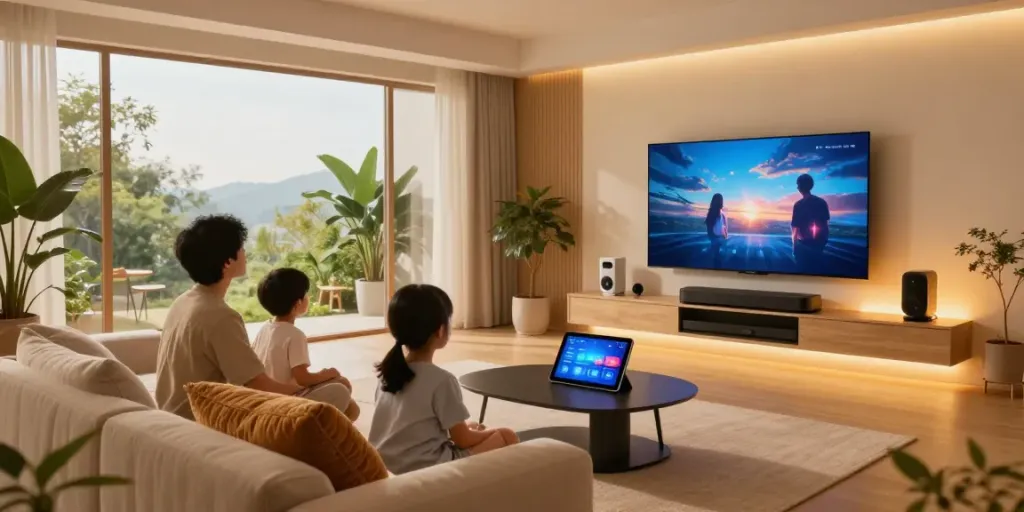
- Smart Audio Systems: These systems provide high-quality sound and can be integrated with other smart devices for a complete entertainment experience.
- Smart Security: This includes devices like smart locks, cameras, and motion sensors that improve home safety.
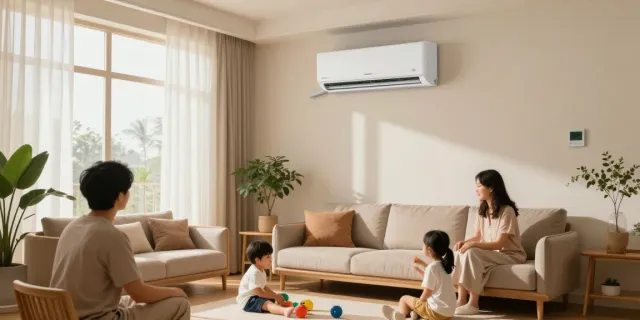
- Automated Climate Control: Smart thermostats and sensors help manage energy consumption efficiently.
- Smart Lighting: Adjustable lighting systems that can be controlled remotely or set to schedules.
Benefits of Smart Home Systems
Implementing smart home technology offers numerous benefits:
- Increased Security: With smart locks and cameras, you can monitor your home in real-time.
- Energy Savings: Automated systems ensure that energy is used efficiently, reducing costs.
- Convenience: Control your entire home environment with a simple voice command or a tap on your smartphone.
- Enhanced Comfort: Create customized environments that suit your preferences at any time.
Smart Audio Systems: Enhancing Your Home Experience
Smart audio systems not only elevate your entertainment experience but also can serve as a central hub for controlling other smart devices within your home. These systems can play music, provide information, and even connect with other smart home technologies, offering a comprehensive solution for music lovers and tech enthusiasts alike.
Types of Smart Audio Systems
There are various types of smart audio systems available:
- Multi-Room Systems: These systems allow you to play music in multiple areas of your home simultaneously.
- Smart Speakers: Devices like Amazon Echo or Google Home that respond to voice commands.
- Integrated Systems: These systems can be built into your home’s architecture for a seamless audio experience.
Setting Up Your Smart Audio System
Setting up a smart audio system typically involves the following steps:
- Choose Your Devices: Select the type and brand of smart audio system that fits your needs.
- Install the System: Follow manufacturer instructions for installation or consult with a professional.
- Connect to Wi-Fi: Ensure your audio system is connected to a reliable internet source.
- Integrate with Other Devices: Link your audio system with other smart devices for enhanced functionality.
Integrating Audio with Other Smart Devices
Integration of audio systems with other smart home devices can significantly enhance usability. For instance, you can program your audio system to play a specific playlist when your smart lighting adjusts at sunset, or to pause when a smart doorbell rings. This type of integration creates a cohesive smart environment that responds to your lifestyle.
Smart Security Solutions for Your Home
As technology advances, so do the security solutions available for homeowners. Smart security systems provide enhanced protection and peace of mind by allowing you to monitor your property remotely.
Overview of Smart Locks and Cameras
Smart locks enhance home security by allowing keyless entry through biometrics or smartphone apps, while smart cameras enable real-time surveillance. These devices can alert homeowners to any unauthorized access or suspicious activity.
Choosing the Right Security Devices
Consider the following when selecting security devices:
- Compatibility: Ensure that all devices can communicate with each other and are compatible with your existing smart home system.
- Ease of Use: Look for devices that offer intuitive apps and simple installation.
- Customer Support: Choose brands that provide excellent customer service and warranty options.
Best Practices in Home Security Management
To maximize security benefits, implement these best practices:
- Regular Updates: Keep your devices’ software updated to protect against vulnerabilities.
- User Access Management: Control who has access to your security system and regularly review permissions.
- Backup Systems: Have a backup plan in case your primary system fails or is compromised.
Automation and Control: The Future of Home Living
Home automation represents the next frontier in smart living, allowing for environments that adapt automatically to your needs. The interplay of automation and control systems can transform your living space into a responsive ecosystem.
Creating Automated Routines
Automated routines allow you to pre-program your devices to perform tasks at specific times or under certain conditions. For example, you can set your heating to turn on when you arrive home or have your lights dim as night falls.
Control Options: Voice, App, and Manual
Today, homeowners can control their smart devices through voice commands, mobile apps, or even manual overrides. This flexibility allows for a personalized experience that can adapt to individual preferences and technical comfort levels.
Future Trends in Home Automation
As technology continues to evolve, expect to see more integrations with artificial intelligence, making homes even smarter and more proactive in managing energy efficiency and security concerns.
Getting Started with خانه هوشمند جهان اسمارت
If you're excited about the potential of smart home technology, getting started is easier than you might think. With the right guidance and resources, anyone can transform their living space into a smart home.
Initial Steps for Smart Home Setup
Begin your journey by assessing your needs and determining which devices will enhance your lifestyle the most. After that, plan your budget carefully and choose a reliable provider who can offer comprehensive solutions.
Common Challenges and Solutions
Some common challenges include compatibility issues, device setup difficulties, and costs. Researching thoroughly and consulting with professionals can alleviate many of these concerns.
Connecting with Professional Services for Implementation
Utilizing professional services ensures that your smart home is set up correctly and optimized for your specific needs. Look for experienced providers who can guide you through the selection and installation process.
What are the benefits of a smart home system?
Smart home systems offer enhanced convenience, improved security, energy efficiency, and peace of mind.
How can I automate my home effectively?
Begin by identifying your daily routines and choosing devices that can be programmed to fit those schedules, facilitating a seamless experience.
What types of smart devices should I start with?
Essential devices to consider include smart lighting, smart locks, and a smart thermostat for basic automation.
Are smart home devices secure?
While smart devices can be vulnerable, following best practices in cybersecurity, such as regular updates and strong passwords, can help mitigate risks.
How does smart home technology improve daily living?
Smart home technology enhances daily living by providing greater control, increased convenience, and tailored settings that improve overall quality of life.