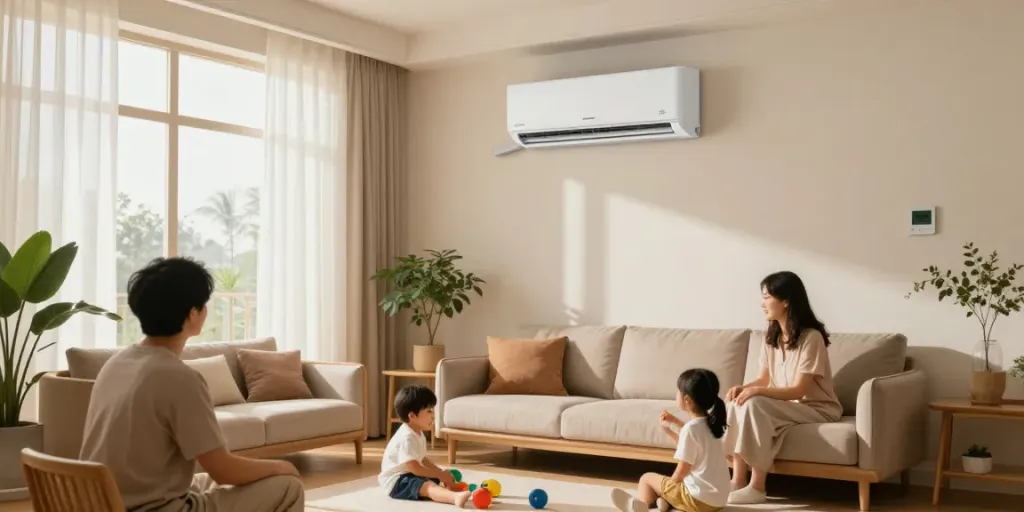
Understanding Mini Split Air Conditioners
As homeowners strive for more efficient and effective ways to heat and cool their living spaces, the popularity of mini split air conditioners continues to surge. These versatile systems offer a range of benefits over traditional heating and cooling methods, especially in terms of energy efficiency and flexibility. When exploring options, a mini split air conditioner can provide comprehensive insights into enhancing your home's climate control.
What is a Mini Split Air Conditioner?
A mini split air conditioner, commonly referred to as a ductless mini split system, is an HVAC (Heating, Ventilation, and Air Conditioning) technology designed to provide both heating and cooling without the need for ductwork. It consists of two primary components: an outdoor condenser unit and one or more indoor air handling units. This setup allows for targeted temperature control in specific rooms, making mini splits particularly suitable for homes with no existing ductwork or for spaces requiring supplemental heating or cooling.
Benefits of Using Mini Split Systems
Mini split systems come with numerous advantages, including:
- Energy Efficiency: Mini splits are renowned for their energy efficiency, often featuring SEER ratings (Seasonal Energy Efficiency Ratio) that exceed those of traditional HVAC systems.
- Flexible Installation: With no need for ductwork, mini splits can be installed in various configurations, accommodating various room sizes and layouts.
- Quiet Operation: The majority of mini splits operate quietly, making them perfect for bedrooms or study areas where noise is a concern.
- Zone Control: Mini split systems allow for independent temperature control in different areas of your home, enhancing comfort and reducing energy costs by only heating or cooling occupied spaces.
- Year-Round Comfort: Many mini splits also feature heat pump functionality, which can efficiently provide heating during colder months.
Key Features to Look For
When choosing a mini split air conditioner, consider the following features:
- SEER Rating: Look for a higher SEER rating for improved energy efficiency.
- Noise Level: Review the decibel levels to ensure the system will operate quietly.
- Heating Capacity: Ensure the mini split can provide adequate heating, especially in colder climates.
- Smart Technology: Many modern systems offer smart controls for remote operation via smartphone apps.
- Warranty: A good warranty can provide peace of mind regarding the system's longevity and reliability.
Installation and Maintenance Tips
DIY Installation vs. Professional Installation
While some homeowners consider DIY installation of mini split systems to save on costs, this approach can be risky for those unfamiliar with HVAC systems. Professional installation ensures that units are correctly set up for optimal performance and efficiency. Additionally, many manufacturers require professional installation to maintain the warranty, so it may be wise to consult with an HVAC technician.
Regular Maintenance Practices
Routine maintenance is critical to ensuring the longevity and efficiency of your mini split system. Here are some essential practices:
- Clean Filters: Inspect and clean the air filters monthly to ensure optimum airflow.
- Check Drainage: Ensure the condensate drain is clear to prevent water buildup and potential damage.
- Annual Professional Check-up: Schedule a yearly maintenance check with a qualified technician to inspect the system and address any problems.
Common Installation Mistakes to Avoid
When installing a mini split, avoid these common mistakes:
- Incorrect Sizing: Choosing the wrong size unit can lead to inefficiency; always calculate BTU requirements based on room size.
- Poor Placement: Positioning indoor units in areas with obstructed airflow can reduce effectiveness.
- Neglecting Insulation: Inadequate insulation can lead to energy loss and increased operational costs.
Energy Efficiency and Saving Costs
Understanding SEER Ratings
SEER ratings measure the cooling efficiency of air conditioning units. The higher the SEER rating, the more efficient the unit, indicating lower operating costs over time. For instance, a mini split with a SEER of 20 can save significant money compared to traditional systems with a SEER of 14 or lower. When selecting a mini split, aim for models with a SEER rating of at least 16 for optimal energy efficiency.
How to Optimize Energy Use
To maximize the energy efficiency of your mini split, consider these tips:
- Utilize Zoning: Control temperatures in different areas according to usage patterns.
- Set Temperature Wisely: Maintain a reasonable temperature setting to avoid excessive energy use.
- Use Smart Controls: Enable smart features to schedule operations and adjust settings remotely, reducing energy consumption when away from home.
Cost Analysis: Mini Split vs. Traditional AC
While the upfront cost of a mini split may be higher than traditional air conditioning systems, the long-term savings often outweigh the initial investment. Mini splits generally have lower operating costs due to their energy efficiency and zoned operation, making them a more economical choice over time. Additionally, the ability to install mini splits without extensive ductwork can save installation costs, especially in older homes.
Addressing Common Concerns
How Noisy are Mini Split Air Conditioners?
Modern mini split systems are designed to operate quietly, with many units producing noise levels similar to that of a refrigerator, typically ranging between 19 to 50 decibels. This makes them suitable for use in bedrooms and other quiet spaces. However, the actual noise level can depend on the model and installation quality, so consider checking specifications before purchasing.
Potential Disadvantages of Mini Splits
Despite their numerous benefits, mini splits do have some disadvantages, including:
- Upfront Costs: Initial purchase and installation costs can be high compared to traditional systems.
- Limited Aesthetics: Indoor units can be visually unappealing for some homeowners.
- Regular Maintenance: Mini splits require regular cleaning and maintenance to ensure optimal performance.
Environmental Impact and Sustainability
Mini splits can be a more environmentally friendly option compared to traditional HVAC systems, as they typically use less energy and produce fewer greenhouse gases. Many models are designed with eco-friendly refrigerants, further reducing their environmental impact. Additionally, with proper maintenance, these systems have longer lifespans, contributing to less waste.
Future Trends in Air Conditioning Technology
Innovations in Mini Split Technology for 2026
The HVAC industry is continuously evolving, with several exciting innovations on the horizon. By 2026, we can expect mini split systems to integrate even more advanced technologies, including variable-speed compressors for improved energy efficiency and enhanced temperature control.
Smart Home Integration Possibilities
As smart home technology gains traction, mini split systems are likely to embrace greater integration with home automation systems. Features such as voice control, app-based management, and compatibility with smart home devices will become standard in many new models, allowing homeowners to optimize their energy use seamlessly.
Predicted Changes in Consumer Preferences
Consumer preferences are shifting towards energy-efficient and sustainable living solutions. As awareness of climate change grows, more buyers will likely choose mini splits for their environmental benefits and cost-saving potential. Additionally, aesthetics may see a change as manufacturers work to create more visually appealing indoor units.
What are the disadvantages of a mini split?
While mini splits offer numerous advantages, some disadvantages include the necessity for regular maintenance and possible noise concerns, particularly with older models. Furthermore, installation costs can be prohibitive, especially for homeowners unfamiliar with HVAC systems.
Is a mini split air conditioner worth it?
Considering their energy efficiency, flexibility, and ability to provide targeted heating and cooling, many find mini split air conditioners to be a worthwhile investment. Over time, the savings on energy bills often compensate for the initial installation costs, making them a smart choice for modern homes.
Why is my electric bill so high with mini split?
If you notice a spike in your electric bill even after installing a mini split, several factors could be at play. These may include improper sizing of the unit, poor insulation in your home, or a lack of regular maintenance. It's crucial to ensure that the system is adequately maintained and optimized for your specific space.
How much is a mini split for a 1000 sq ft house?
The cost of installing a mini split for a 1000 sq ft house can vary based on several factors, including the brand, features, and installation complexity. Generally, you can expect to pay between $3,000 to $5,000, covering both the unit and professional installation costs. It's advisable to obtain multiple quotes to ensure you're getting the best deal.