
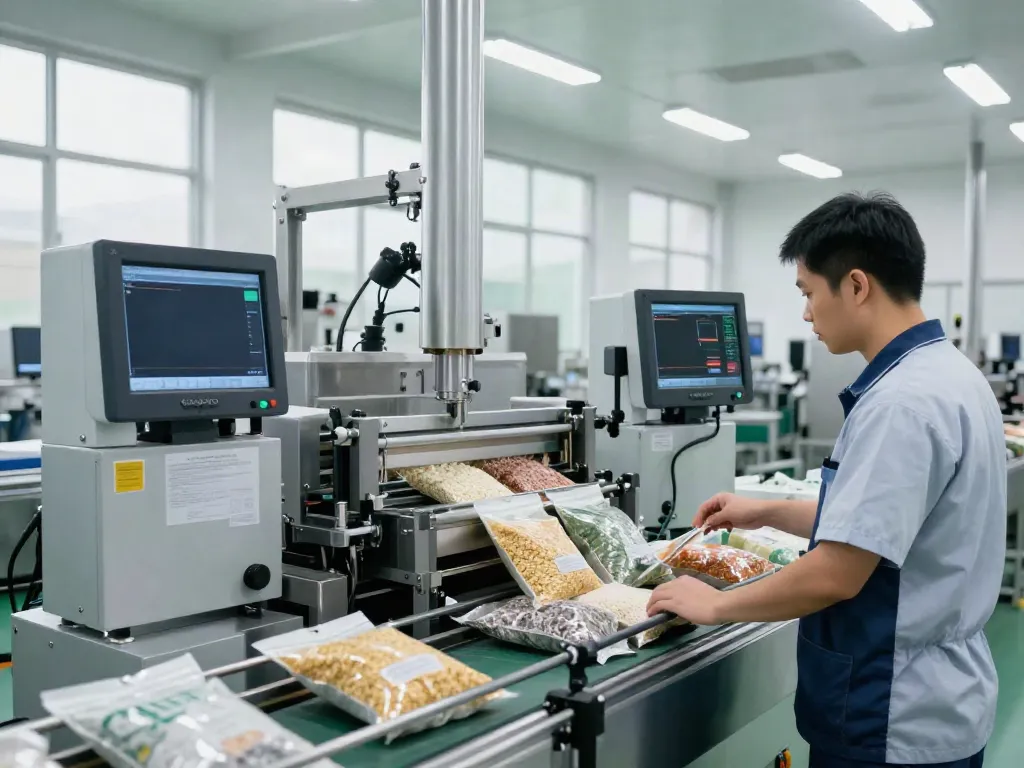
Understanding Automatic Bagging Machines
In the fast-paced world of manufacturing and distribution, packaging efficiency is paramount. Enter the automatic bagging machine—an innovative solution that revolutionizes how products are packaged. These sophisticated systems not only enhance productivity but also minimize errors in the packaging process. Equipped with advanced technology, automatic bagging machines are designed to cater to various product types, including powders, liquids, and dry goods. Companies looking to optimize their operations will find that partnering with a reliable bagging machines manufacturer can lead to significant improvements in efficiency and output.
What are Bagging Machines?
Bagging machines are automated equipment used to fill, seal, and label bags for a wide range of products. These machines can be standalone units or part of a larger production line and come in various forms, including vertical, horizontal, and automated systems. They are utilized across various industries, such as food, pharmaceuticals, and consumer goods, ensuring that products are securely packaged while maintaining quality and integrity.
How Do Automatic Bagging Machines Work?
The operation of an automatic bagging machine involves several key steps:
- Bag Placement: The machine automatically places bags in position for filling.
- Filling: Products are measured and filled into the bags using a variety of methods, such as volumetric or weight-based systems, depending on the product type.
- Sealing: After filling, the bags are sealed using heat, adhesive, or other sealing technologies to ensure they remain airtight and tamper-proof.
- Labeling: Many machines also include a labeling function, allowing for real-time printing and application of labels for tracking and compliance purposes.
The integration of sensors and software further enhances the reliability of these machines, ensuring precise operation and minimal downtime.
Key Features of Modern Bagging Machines
Modern automatic bagging machines are equipped with several features designed to optimize production:
- User-Friendly Interfaces: Many machines come with touchscreen controls, making them easier to program and operate.
- Customizable Settings: Users can adjust machine settings to accommodate different bag sizes and product types, enhancing versatility.
- High-Speed Operation: These machines are capable of packaging large volumes quickly, significantly increasing throughput.
- Integration Capabilities: They can be seamlessly integrated into existing production lines, minimizing disruption and enhancing workflow.
The Role of a Bagging Machines Manufacturer
Choosing the right manufacturer is crucial for businesses looking to upgrade their packaging capabilities. A reputable bagging machines manufacturer not only provides high-quality equipment but also offers ongoing support and service to ensure optimal performance.
Types of Bagging Machines Offered by Manufacturers
Bagging machines come in various types suited for different applications:
- Open-Mouth Bagging Machines: Ideal for filling bags with granular products like grains and fertilizers.
- Form-Fill-Seal (FFS) Machines: These machines create bags from film, fill them with products, and seal them in one continuous operation, suitable for high-speed packaging.
- Vacuum Bagging Machines: Used for perishable items, these machines remove air from bags to extend shelf life.
- Weighing and Filling Machines: Designed for precise measurement and filling of bulk products in bags to avoid wastage and ensure accuracy.
Quality Standards in Manufacturing
Quality control is paramount in the manufacturing of bagging machines. Manufacturers must adhere to industry standards such as ISO certifications, ensuring their machines are built to last and perform at high efficiency. Regular audits and certifications further enhance trust in the manufacturer’s capabilities.
Customization Options for Diverse Industries
A one-size-fits-all approach rarely works in manufacturing. Leading bagging machines manufacturers offer customization options that cater to specific industry requirements. From adjusting the speed of operation to modifying bag sizes and sealing techniques, customization ensures that the equipment meets unique operational needs.
Benefits of Automated Bagging Solutions
Investing in automated bagging solutions can yield numerous benefits for businesses across various sectors.
Improving Efficiency and Reducing Errors
One of the most significant advantages of using automatic bagging machines is the drastic improvement in efficiency. By automating the packaging process, businesses can reduce the time and labor involved, leading to faster turnaround times and increased output. Moreover, automation minimizes human errors, ensuring that products are consistently packaged to the required specifications.
Cost-Effectiveness of Automation in Packaging
Although the initial investment in automated systems may be higher compared to manual methods, the long-term savings are substantial. Businesses can save on labor costs, reduce waste, and improve material usage, leading to lower overall packaging costs. Moreover, the longevity and reliability of automatic machines mean they require less maintenance and have lower operational costs over time.
Enhancing Product Quality and Consistency
Automated systems not only speed up the process but also enhance the quality and consistency of packaged products. Precise filling and sealing mechanisms ensure that each bag is uniform, maintaining product integrity while meeting compliance requirements. This level of consistency is vital in industries like food and pharmaceuticals, where product quality is paramount.
Challenges Faced by Bagging Machines Manufacturers
The bagging machines industry is not without its challenges. Manufacturers must navigate various obstacles to remain competitive and relevant in a fast-evolving marketplace.
Addressing Market Demand and Technological Advancements
With the continuous evolution of technology, bagging machine manufacturers must keep pace with industry demands and advancements. This includes integrating new technologies such as artificial intelligence and machine learning into their systems to enhance automation and predictive maintenance capabilities.
Common Misconceptions About Automated Systems
Many businesses hesitate to invest in automated bagging machines due to misconceptions regarding their complexity, cost, and reliability. Understanding the true capabilities and benefits of these systems can help alleviate these concerns and encourage adoption in various sectors.
Overcoming Supply Chain and Production Challenges
Supply chain disruptions can significantly impact the availability of materials needed for machine manufacturing. Manufacturers must develop strong supplier relationships and diversify their supply chains to mitigate these risks. Additionally, they must adapt production processes to ensure they can meet customer demands promptly, fostering customer loyalty and satisfaction.
The Future of Bagging Machines in 2026 and Beyond
The future of bagging machines looks promising, with several emerging trends that are set to shape the industry.
Emerging Trends in Packaging Technology
As technology continues to advance, bagging machines will become more sophisticated, incorporating features like predictive analytics, smarter sensors, and enhanced user interfaces. These improvements will provide manufacturers with greater control and insights into their packaging processes.
Sustainability and Eco-Friendly Innovations
With increasing environmental concerns, manufacturers are focusing on sustainability. This includes developing machines that use less energy, are capable of handling eco-friendly materials, and generate less waste during the packaging process. These innovations will not only appeal to environmentally-conscious consumers but can also improve brand reputation and loyalty.
Predictions for Industry Growth and Evolution
Industry analysts predict significant growth in the automated bagging machine sector as more businesses seek to enhance efficiency and reduce operational costs. The rise of e-commerce and online retail will stimulate demand for fast and reliable packaging solutions, further driving the need for advanced bagging technologies.
What Should Customers Consider When Choosing a Manufacturer?
When selecting a bagging machines manufacturer, customers should consider several key factors:
- Experience: Look for manufacturers with a proven track record in the industry.
- Support Services: Ensure that the manufacturer provides adequate training and ongoing support.
- Customization Options: Choose manufacturers that offer tailored solutions to meet specific needs.
- Quality Assurance: Verify that the manufacturer adheres to strict quality control standards.
Why Partnering with Experts Matters?
Partnering with experienced experts in bagging machine manufacturing can lead to substantial benefits. They can provide insights into the latest technologies, help optimize production processes, and ensure that businesses remain competitive in their respective markets.
How to Stay Updated on Industry Developments?
To stay informed about the latest trends and developments in the packaging industry, companies should regularly attend industry conferences, subscribe to relevant publications, and engage with professional networks. Continuous learning is essential in a rapidly evolving sector.