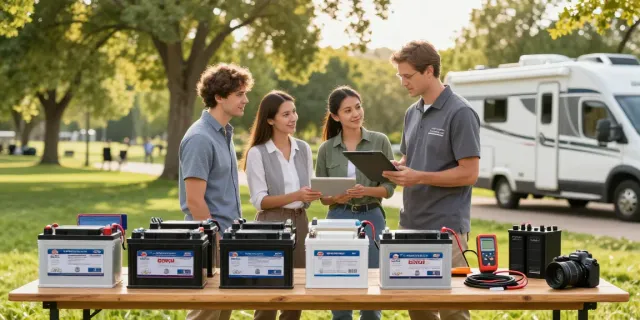
Understanding Lithium RV Batteries
Lithium RV batteries are an essential component for modern camping and off-grid adventures, offering a reliable and efficient power source for recreational vehicles, vans, and campers. These batteries utilize lithium iron phosphate (LiFePO4) chemistry, which provides significant advantages over traditional lead-acid batteries, particularly for those who value long-lasting performance and weight efficiency. As the demand for sustainable energy solutions grows, understanding how to harness these advanced battery systems is more crucial than ever for RV enthusiasts who want to maximize their off-grid experiences.
When exploring options, lithium rv batteries are often the first choice for many users due to their impressive capacity and flexibility. But what exactly defines a lithium RV battery? Let’s dive deeper into the specifics.
What are Lithium RV Batteries?
Lithium RV batteries, specifically those using LiFePO4 technology, are designed to provide a robust energy solution ideal for the unique demands of recreational vehicles. Unlike lead-acid batteries, they can discharge more deeply without harming their longevity, which is critical for off-grid travelers who depend on reliable energy sources during long trips. These batteries are also lighter, meaning that RV owners can reduce overall vehicle weight, which can improve fuel efficiency and handling.
Advantages Over Traditional Batteries
- Longer Lifespan: Lithium batteries can last up to 10 years or more, while lead-acid batteries typically need replacement every 3-5 years.
- Higher Energy Density: Lithium batteries store more energy in a smaller footprint compared to lead-acid batteries.
- Faster Charging: They charge more quickly, allowing for more efficient use of solar panels and other charging sources.
- Reduced Weight: Lithium options are approximately 50-70% lighter than their lead-acid counterparts.
How Lithium Chemistry Works in RV Applications
The chemical structure of lithium iron phosphate allows for efficient electron movement, resulting in high energy capacity and thermal stability. This chemistry's safety profile means lithium batteries can withstand extreme temperatures without risk of fire or explosion, a critical consideration for RV users who travel in varied climates. Moreover, the built-in Battery Management System (BMS) found in quality lithium batteries helps prevent issues like overcharging or discharging, ensuring that the batteries operate safely and effectively throughout their lifespan.
Why Upgrade Your RV to Lithium Batteries?
Upgrading to lithium batteries from traditional lead-acid systems is a decision made by many RV enthusiasts for both economic and practical reasons. The switch involves assessing the long-term benefits against short-term costs, but the performance gains often speak volumes.
Cost-Benefit Analysis of Lithium vs. Lead-Acid
While lithium RV batteries come with a higher upfront cost, their longevity and efficiency make them a more economical choice in the long run. Owners can expect to save on maintenance and replacement costs, in addition to benefiting from increased energy availability. For example, a quality lithium battery can deliver more than double the usable capacity of a similarly-sized lead-acid battery, allowing users to run appliances longer without the need to recharge frequently.
Enhanced Performance in Off-Grid Scenarios
Lithium batteries excel in off-grid applications due to their ability to maintain performance even under low temperatures or heavy loads. For campers who love to explore remote locations, having a reliable power source is essential. Lithium solutions can provide continuous power for appliances like refrigerators, lights, and electronics without dropping voltage under load, which is a common issue with lead-acid batteries.
Real-World Experiences from RV Enthusiasts
Many RV owners report transformative experiences after switching to lithium batteries. Users frequently highlight improved freedom during trips, as they can stay off-grid longer without worrying about battery life. Quotes from RV forums and social media showcase testimonials about how lithium batteries have changed the way they travel, allowing for extended trips into nature without the hassle of frequent generator use.
Choosing the Right Lithium RV Battery
Selecting the appropriate lithium battery involves understanding your power needs and how various models align with your RV setup.
Factors to Consider: Capacity and Voltage
When evaluating options, assess your daily energy consumption, which includes everything from lights to kitchen appliances. Lithium RV batteries come in various capacities, typically ranging from 50Ah to 460Ah, with voltage options of 12V, 24V, or 48V. Understanding how much power you require based on your electrical layout is crucial for making the right choice.
Battery Sizing: Matching to Your Power Needs
To ensure optimal performance, it’s essential to size your battery bank correctly. A miscalculation can lead to inadequate power supply or wasted space. Calculate the total watt-hours (Wh) needed for your appliances and divide by the battery voltage to determine the amp-hours required. This careful planning guarantees that your battery bank meets your demands efficiently.
Common Misconceptions and FAQs
Many potential users have questions surrounding lithium technology. Common misconceptions include worries about their performance in cold weather, lifespan, and maintenance needs. In reality, modern lithium batteries are designed with built-in features to handle various temperatures and require minimal maintenance compared to lead-acid systems.
Features That Set Epoch Lithium RV Batteries Apart
Epoch has established itself as a leader in lithium RV battery technology by incorporating innovative features that enhance user experience and performance.
Built-in Battery Management Systems Explained
Epoch batteries come equipped with advanced BMS that monitor voltage, temperature, and overall health. This system protects the battery from damage, increases safety, and extends battery lifespan by ensuring optimal charging and discharging conditions.
Bluetooth Monitoring and Its Benefits
Advanced models from Epoch offer Bluetooth monitoring, enabling users to check battery status, charge level, and temperature from their smartphones. This feature allows for real-time tracking and enhances the user experience, particularly when managing energy resources during extended trips.
Cold Weather Performance: Self-Heating Technologies
Select Epoch batteries feature self-heating capabilities, which allow them to operate safely in cold environments by warming the cells to optimal charging temperatures. This technology is particularly beneficial for winter camping and regions with harsh climates, ensuring that users can rely on their batteries year-round.
Future Trends in Lithium Battery Technology for RVs
The lithium battery market continues to evolve with advancements that promise even greater efficiency and sustainability for RV users.
Emerging Technologies in Lithium Battery Designs
Research is being conducted to improve lithium battery designs through alternative materials and more efficient manufacturing processes. Future models may feature even longer lifespans, faster charging capabilities, and lighter weight, making them even more appealing for RV setups.
Market Predictions for 2026 and Beyond
Experts predict that the lithium battery market will continue to grow, driven by increasing consumer demand for renewable energy solutions and enhancements in battery technology. Anticipated market expansion could lead to more affordable prices and improved battery options for recreational vehicles.
Expert Insights on Sustainable Off-Grid Power Solutions
Sustainable energy sources are becoming increasingly important as society moves towards greener solutions. Lithium batteries are at the forefront of this shift, enabling users to harness solar power effectively and reduce reliance on fossil fuels during their travels.
Are lithium batteries worth it for an RV?
Yes, lithium batteries are often seen as worth the investment due to their longevity, efficiency, and lower overall cost of ownership compared to traditional lead-acid batteries.
What is the best lithium battery for an RV?
The best lithium battery will depend on your specific energy needs, but brands like Epoch are known for high-quality options that provide reliable performance and advanced technology.
How long will a 12V fridge run on a 100Ah lithium battery?
A 100Ah lithium battery can power a 12V fridge, which typically consumes around 3-5 amps, for approximately 20 to 30 hours under optimal conditions, depending on the fridge's usage and efficiency.
Can I replace my RV battery with lithium?
Yes, RV batteries can be replaced with lithium options, but it’s essential to ensure that charging systems and components are compatible with lithium technology to maximize performance and safety.